
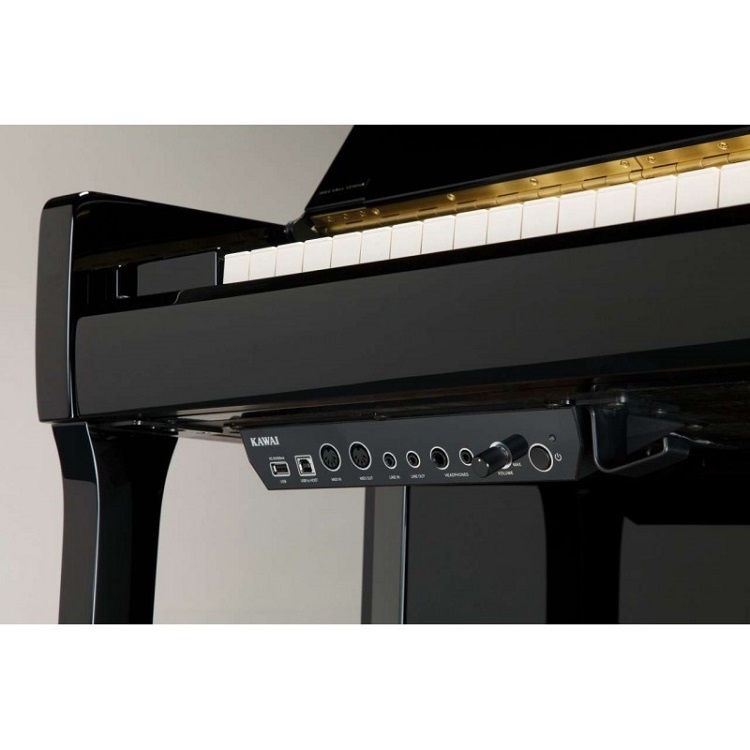
The Silent piano has become one of the most interesting solutions for those who want the experience of an acoustic piano but need to play in silence some of the time. This is not a passing trend, but a logical evolution in the way people study, practise and live with an instrument at home.
Today, brands such as Yamaha and Kawai have developed systems that allow players to enjoy the real touch of an acoustic piano while also practising with headphones when the situation requires it. This has made the Silent piano especially appealing to students, families, teachers and pianists who live in flats or share schedules and spaces with others.
In this guide from Royal Pianos, we explain what a Silent piano is, how it works, what advantages it offers compared to other options, and why solutions such as Yamaha Silent, Kawai ATX or installing the Genio Silent system are generating so much interest among today’s buyers.
What is a Silent piano?
A Silent piano is an acoustic piano, either upright or grand, that includes a system capable of stopping the hammers from striking the strings when silent mode is activated. At that moment, the keyboard still responds like a real acoustic piano, but the sound is no longer produced in the traditional way and is instead heard through headphones.
To make this possible, the instrument includes sensors that detect the movement of the keys and, in many cases, the use of the pedals as well. This information is converted into a digital signal that activates a sound module, reproducing the performance with great precision.
The main difference compared to a digital piano is that this is still, first and foremost, a real acoustic piano. In other words, the action, the keyboard response and the physical experience of playing are still there.
If you would like to explore the concept further through the brands’ own technology, you can also consult the official information from Yamaha SILENT Piano™ and the Kawai AnyTime ATX4 series.
Why more and more pianists are looking for a Silent piano
The need to play without disturbing others has become one of the most decisive factors when buying a piano. Many enthusiasts and students want an acoustic instrument, but hesitate because of the volume, their schedule, or living near neighbours and family. A Silent piano solves exactly that problem.
For this reason, it is no longer seen as just a technical solution, but as a way of making the purchase of an acoustic piano possible in situations where it once seemed unrealistic. For many families, this technology makes the difference between having a piano at home and giving up on the idea altogether.
How a Silent system works in practice
When the pianist activates Silent mode, a mechanism prevents the hammers from reaching the strings. At the same time, the sensors register each key movement in enough detail to capture dynamics, nuance and musical intention.
Then the digital module reproduces the sound through headphones. In many current models, additional features such as recording, connectivity or integration with study tools can also be found. This makes the Silent piano an especially useful option for everyday practice.
The key point is that the player can move from a traditional acoustic experience to silent mode without changing instrument. That continuity is precisely one of the great strengths of this type of piano.
Yamaha Silent: one of the most recognisable references on the market
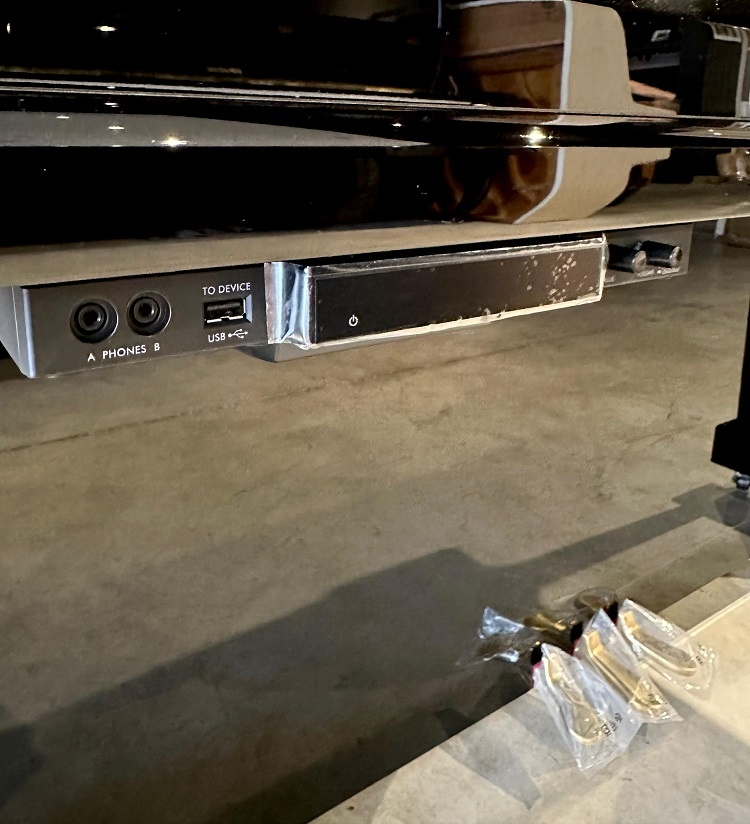
Within the world of the Silent piano, Yamaha is one of the brands that has contributed most to popularising this concept. Royal Pianos features a specific category for Yamaha Silent, with models ranging from entry-level instruments to higher-end options.
This is important for buyers because it shows that Silent technology is not limited only to top-tier pianos, but can also be found in models designed for study, progression and demanding home use.
Among the selection published by Royal Pianos, you can find models such as the Yamaha U3 SH3 PE Silent and other instruments from the Silent and TransAcoustic ranges. This helps illustrate that Yamaha offers several entry points into the Silent world, depending on budget, level and practical needs.
In Yamaha’s case, it is worth distinguishing between several solutions that may interest different types of users:
- Yamaha Silent, for playing with headphones while preserving the essence of an acoustic piano.
- Yamaha TransAcoustic, for those seeking an even more versatile integration of acoustic experience and digital functions.
- Upright and grand models, depending on available space, budget and performance level.
If you would like to see the manufacturer’s technical explanation, Yamaha describes its official system here: SILENT Piano™.
Kawai ATX: a very interesting option for those seeking touch and flexibility
In the case of Kawai, the Royal Pianos website shows several especially interesting options for those looking for an acoustic piano with a silent system. Within the category of Kawai pianos, models such as the Kawai K15 ATX3L, Kawai K200 ATX4, Kawai K300 ATX4, Kawai K500 ATX4 and also the Kawai K300 Aures 2 appear.
This gives the buyer a very useful point of reference: Kawai does not treat the silent system as a rarity, but as an integrated option in instruments that are highly valued for their touch, control and musicality.
When a pianist is interested in a Kawai ATX, they are usually looking for two things at the same time: the mechanical and tonal quality of an acoustic instrument from an established brand, and the freedom to study in silence at any time of day.
In addition, the fact that there are different versions such as ATX3L, ATX4 or Aures 2 invites buyers to assess each model with specialist advice, since not all of them respond in exactly the same way or are intended for the same user profile.
If you would like more technical information from the brand, Kawai explains its series here: AnyTime ATX4.
What if you already have a piano? The option of installing a Genio Silent system

Not every pianist looking for a Silent piano needs to buy a new instrument. In many cases, the best solution may be to install a Silent system in the acoustic piano they already have at home. This option is especially appealing to those who are satisfied with the touch and sound of their piano, but need to practise with headphones at certain times of day.
At Royal Pianos, it is possible to install the Genio Silent system, a solution designed for upright and grand pianos that allows you to play in silent mode without giving up the action of the acoustic instrument.
According to the information published by Royal Pianos, the Genio Silent system can be installed in any acoustic piano. Its operation follows the usual principle of this type of technology: when Silent mode is activated, the hammers are blocked before striking the strings, and sensors placed under the keyboard and pedals detect the movement and convert it into a digital signal. This way, the pianist can keep playing with the feel of an acoustic instrument while hearing the result through headphones.
What the Genio Silent system offers
One of the advantages of this option is that it allows you to modernise an existing acoustic piano without having to replace it with another instrument. This can be very interesting for pianos with a good touch, sentimental value or an acoustic sound the pianist already knows and appreciates.
In addition, Royal Pianos highlights that the Genio Silent system includes MIDI and USB connections, a touch screen, optical system, audio IN/OUT, USB output, 17 sounds, 128 GM sounds, 128-note polyphony, metronome, transposition, effects, two-track recording capability and over-ear headphones included. A 2-year warranty is also indicated.
You can also read this related article on the Royal Pianos blog: Silence your piano with the Genio Silent system.
When it may be worth installing it
- If you already have an acoustic piano and do not want to replace it.
- If you especially value the touch of your current instrument.
- If you need to study at night or at sensitive times of day.
- If you want to add digital functions without giving up your piano.
- If you are looking for an alternative to buying a new Silent piano.
Approximate price of the Genio Silent system
On the Royal Pianos website, the following guide prices appear for the Genio Silent system:
- Genio Premium Upright: €1,473 + VAT
- Genio Premium Grand: €2,085 + VAT
As with any technical installation, the most advisable step is to confirm the compatibility of the piano and the installation details directly with the Royal Pianos team before making a decision.
If you would like more information about this option, you can consult the dedicated page for the Genio Silent System at Royal Pianos or contact the team to assess your piano and discuss the most suitable installation.
Differences between Yamaha Silent, Kawai ATX and Genio
Rather than speaking of an absolute winner, it is better to understand that Yamaha Silent, Kawai ATX and Genio respond to different needs within the same goal: playing an acoustic piano with the possibility of studying in silence.
- Yamaha Silent: ideal if you are looking for a new or pre-owned piano from a recognised brand with a factory-integrated Silent system.
- Kawai ATX: very interesting if you especially value the Kawai touch and want an integrated solution in the brand’s acoustic models.
- Genio: a logical option if you already have an acoustic piano and prefer to adapt it rather than replace it.
In an honest comparison, the choice usually depends on factors such as the touch the pianist prefers, the type of acoustic sound they like most, the specific range of the model, the additional functions and the real use they are going to make of it at home or in the studio.
Real advantages of a Silent piano
1. It allows you to study at any time
This is its great advantage. Practising at night, early in the morning or during sensitive moments of household life stops being a problem. This greatly supports consistency, which is ultimately what influences musical progress the most.
2. It preserves the real action of an acoustic piano
Anyone who has played an acoustic piano knows how important touch is. Control of key weight, repetition and key response are all part of piano technique. A Silent piano preserves that foundation.
3. It removes one of the main purchase objections
Many people want an acoustic piano but are afraid of disturbing others. Silent mode removes much of that barrier and makes the purchase more logical and sustainable over time.
4. It adds useful tools for study
Depending on the system and model, it may include interesting features for practising with more control, reviewing your performance or integrating digital resources into your study routine.
5. It offers more versatility without giving up the main instrument
It does not force you to choose between acoustic and digital. In a way, it brings together the best of both worlds for a very specific type of user: someone who wants to play a real piano but needs flexibility.
Disadvantages worth considering
1. The price is higher than that of an acoustic piano without the system
The added technology increases the cost. For that reason, it makes sense when Silent mode is going to be used regularly and not just as a remote possibility.
2. It still requires acoustic maintenance
A Silent piano is still an acoustic piano, so it requires tuning, environmental control and regular check-ups. The digital system complements the instrument, but does not replace its basic maintenance needs.
3. Listening through headphones does not replace acoustic projection in the room
They are different experiences. Playing in Silent mode is extremely useful, but it does not replace the physical sensation of hearing the instrument resonate in the room.
4. Not all systems offer the same response
Sensor accuracy, sound module quality and the way the system is integrated all influence the final result. That is why it is important to try and receive advice before deciding.
Who a Silent piano is especially suitable for
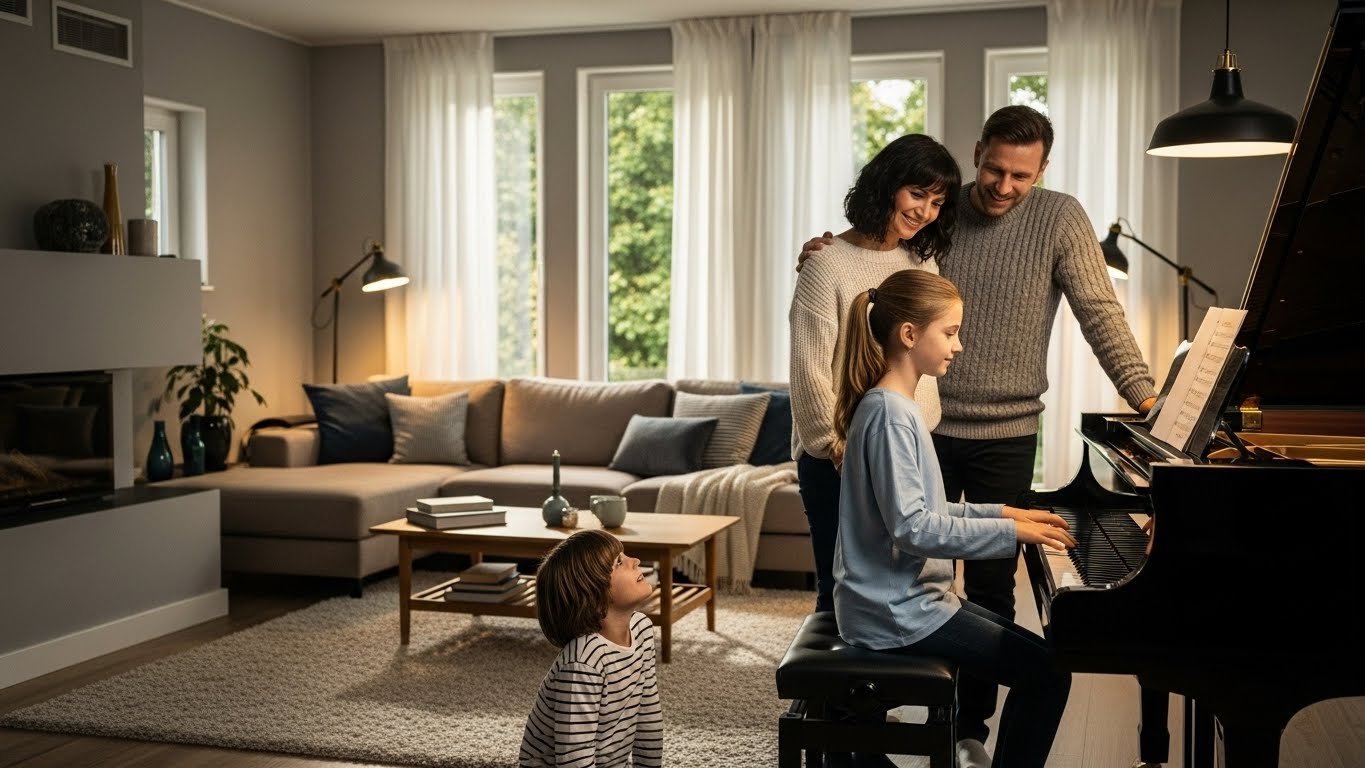
A Silent piano is usually especially recommended for:
- Students who need many hours of practice without depending on the family schedule.
- Adult amateurs who live in flats or have irregular working hours.
- Families who want an acoustic piano at home but need to control the volume at certain times.
- Teachers who value flexibility and technical study with headphones.
- Demanding buyers who do not want to give up the touch of a real acoustic piano.
What to review before choosing
Before making a decision, it is worth reviewing several key points:
- The action of the specific model, because it will remain the centre of your daily experience.
- The quality of the Silent system, especially in sensitivity and natural response.
- The acoustic sound of the piano itself, not just the digital sound.
- Comfort with headphones, since that will be an important part of actual use.
- The additional features, depending on the model chosen.
- The available budget, keeping in mind that the investment should respond to a real need.
- The type of use, whether domestic, academic or intensive.
The Royal Pianos view
At Royal Pianos, interest in Silent pianos is not only about technology, but about a very specific reality for today’s buyer: many people want a real acoustic piano, but need flexibility to live with it comfortably.
That is why options such as Yamaha Silent, Kawai ATX or installing the Genio Silent system represent an especially smart response today for those who want to play more, study better and avoid limiting their piano purchase because of schedule or volume concerns.
Conclusion
The Silent piano does not replace the acoustic piano; it adapts it to the real life of many pianists. That is why it has gained so much relevance in recent years. It does not only offer convenience: it offers continuity of study, freedom of schedule and a more realistic way of living with a serious instrument at home.
If you are considering options such as Yamaha Silent, Kawai ATX or the possibility of installing Genio in your current piano, the most important thing is not to choose based only on technology, but on the whole package: touch, sound, real use and playing feel. That is where good advice makes all the difference.
At Royal Pianos, you can find personalised advice to choose the Silent piano that best suits your level, your space and the way you study.
Frequently asked questions about Silent pianos
Is a Yamaha Silent still an acoustic piano?
Yes. The foundation of the instrument is acoustic. The Silent system adds the possibility of playing with headphones without the hammers striking the strings.
What does Kawai ATX mean?
It refers to Kawai models that incorporate a Silent system, designed to combine the experience of an acoustic piano with silent study.
Is Yamaha Silent better than Kawai ATX?
It depends on the specific model and the pianist. The best choice usually does not depend only on the brand, but on the touch, the sound and the real use you are going to make of it.
Can a Silent system be installed on a piano I already own?
In many cases, yes. One of the options available at Royal Pianos is the Genio Silent system, designed for upright and grand pianos.
Does a Silent piano need tuning?
Yes. Even if it has Silent mode, it is still an acoustic piano and requires normal maintenance.
Is it worth paying more for a Silent piano?
When you are genuinely going to practise silently on a regular basis, it usually is worth it. In that case, the technology stops being an extra and becomes a central function of the instrument.
Would you like to try a Silent piano at Royal Pianos?
If you are considering a Silent piano, at Royal Pianos we can help you compare options such as Yamaha Silent, Kawai ATX or the installation of the Genio Silent system, depending on your level, your budget, the space available and the real use you are going to make of it.
You can also contact our team or visit one of our stores to receive personalised advice.
Royal Pianos stores
- Benalmádena (Málaga)
Polígono Industrial La Leala, C/ Moscatel, 9 – 29631 Benalmádena, Málaga, Spain
Tel.: 952 858 777
Email: [email protected] - Mairena del Aljarafe (Seville)
Calle Manufactura, 8 – 41927 Mairena del Aljarafe, Seville
Tel.: +34 623 59 54 53 / +34 854 716 600
Email: [email protected] - Oviedo (Asturias)
Calle Dinamarca, 19 – 33010 Oviedo, Asturias
Tel.: +34 659 13 65 52 / +34 984 18 87 64
Email: [email protected] - El Granado (Huelva)
Calle Plaza España, 2 – 21594 El Granado, Huelva
Tel.: +34 623 19 68 95
Email: [email protected]
By appointment only - Estepona (Málaga)
Avda. Andalucía, 34 – 29680 Estepona, Málaga
Tel.: 952 795 362
Email: [email protected]
View full Royal Pianos contact details
Royal Pianos Partners
If you are looking for specialised assistance in other areas, you can also consult the Royal Pianos Partners network, made up of authorised stores and collaborators.




Leave a Reply
Want to join the discussion?Feel free to contribute!